
10 Facts About Anxiety Disorders
Anxiety disorders are the most common mental illness in the United States, affecting over 40 million adults ages 18 and older. Despite how prevalent they are, there is still a lot of misinformation and stigma surrounding anxiety disorders. To help increase understanding and awareness, here are 10 facts about anxiety disorders.
Anxiety disorders can have physical symptoms. Anxiety is not just a mental state – it can also manifest itself through physical symptoms such as rapid heart rate, sweating, muscle tension, and stomach issues. These symptoms can be debilitating and interfere with daily activities.
There are different types of anxiety disorders. Generalized Anxiety Disorder, Panic Disorder, Social Anxiety Disorder, and Specific Phobias are just a few examples of the different types of anxiety disorders one can experience. Each type has its own distinct features and treatment methods.
Women are more likely to have an anxiety disorder. Research has shown that women are twice as likely to develop an anxiety disorder compared to men. This could be due to a combination of biological, psychological, and social factors.
Genetics can play a role in developing an anxiety disorder. Studies have found that individuals with a family history of anxiety disorders are more likely to develop one themselves. However, genetics alone do not determine the development of an anxiety disorder – environmental and lifestyle factors also play a significant role.
Anxiety disorders can be triggered by traumatic events. Experiencing a traumatic event, such as abuse or a natural disaster, can greatly increase the risk of developing an anxiety disorder. It is important to seek professional help if you have experienced trauma and are struggling with anxiety.
Substance abuse can worsen anxiety symptoms. Individuals who struggle with substance abuse are more likely to also have an anxiety disorder. In addition, using substances as a coping mechanism for anxiety can ultimately make the symptoms worse in the long run.
Anxiety disorders often co-occur with other mental health conditions. It is not uncommon for individuals with anxiety disorders to also experience other mental health conditions, such as depression or obsessive-compulsive disorder (OCD). This is known as a co-morbid diagnosis and requires a comprehensive treatment plan.
Cognitive-behavioral therapy is an effective treatment for anxiety disorders. Cognitive-behavioral therapy (CBT) is a type of psychotherapy that has been proven to be highly effective in treating anxiety disorders. It focuses on identifying and changing negative thought patterns and behaviors that contribute to anxiety.
Medication can also be helpful in managing symptoms of anxiety disorders. Antidepressants, specifically selective serotonin reuptake inhibitors (SSRIs), are often prescribed for individuals with anxiety disorders. These medications work by increasing levels of serotonin, a neurotransmitter that helps regulate mood, in the brain.
Lifestyle changes can also help reduce symptoms of anxiety disorders. In addition to therapy and medication, making lifestyle changes can also be beneficial in managing anxiety disorder symptoms. This can include practicing relaxation techniques, exercise, healthy eating, and getting enough sleep.
It is important to seek professional help if you are struggling with an anxiety disorder. Although it may be tempting to try and manage anxiety on your own, seeking professional help is crucial for effectively managing the disorder. A mental health professional can provide a proper diagnosis and create an individualized treatment plan that addresses your specific needs.

Will Going On Vacation Derail Your Therapy Progress?
Now that you've committed to starting therapy and making progress in your mental health, the idea of taking a vacation can be both exciting and daunting. On one hand, vacations offer a much-needed break from daily stressors and a chance to recharge. On the other hand, it may feel like stepping away from therapy sessions could disrupt your progress. So, will going on vacation derail your therapy progress?
The short answer is no, but it's important to approach vacation in a mindful and intentional way. Taking a break from therapy can be beneficial for many reasons, such as giving you time to reflect on the progress you've made and allowing your therapist to reassess your treatment plan. However, it's crucial to make sure that your vacation aligns with your therapy goals and doesn't become a way to avoid facing difficult emotions or challenges.
Vacations can also be an opportunity to practice the coping skills and techniques you've learned in therapy. For example, if you struggle with anxiety, using relaxation techniques while on vacation can help reinforce their effectiveness in managing anxious thoughts and feelings. Additionally, being in a new environment or participating in new activities can provide a fresh perspective and help you gain insights into your therapy journey.
However, it's essential to communicate with your therapist before and after your vacation. Discuss any concerns or fears you may have about taking a break from therapy, and work with them to develop a plan for how you will continue to prioritize your mental health while on vacation. It's also crucial to schedule a follow-up session after your vacation to discuss any challenges or successes you experienced during your break.
So, taking a vacation does not mean that you are giving up on therapy or derailing your progress. In fact, it can be a significant opportunity for growth and reflection. By communicating with your therapist and approaching your vacation in a mindful way, you can ensure that your vacation complements and enhances your therapy journey. Remember to take care of yourself and prioritize your mental health, even while on vacation. Therapy is a lifelong process, and taking breaks can be an important part of that journey.

Can Music Affect Your Mental Health?
Music has always been an integral part of human life. It is a form of expression, communication, and entertainment. It has the power to evoke emotions, memories, and even influence our mood. But can music truly affect our mental health? The answer to this question may not be as straightforward as we think.
The Science Behind Music's Effect on Mental Health
There have been numerous studies conducted to understand the relationship between music and mental health. The results have been mixed, with some suggesting that music can positively impact our mental well-being, while others claim it has a negative effect.
One study published in the Journal of Positive Psychology found that listening to upbeat and happy music could increase positive emotions and decrease symptoms of depression. The researchers also concluded that music could be used as a mood regulation tool, especially for individuals with depression and anxiety.
On the other hand, another study published in the Journal of Adolescence found that frequent exposure to music with violent or aggressive lyrics can lead to an increase in aggression and depressive symptoms among adolescents. This finding highlights the importance of considering the type of music we listen to and its potential impact on our mental health.
The Connection Between Music and Emotions
Music has the power to elicit a wide range of emotions. It can make us feel happy, sad, nostalgic, or even energized. This is because music activates the same areas of the brain that are responsible for processing emotions. Studies have shown that different types of music can influence our mood in various ways. For example, listening to slower and softer music can help us relax and reduce stress levels, while upbeat and fast-paced music can boost our energy and motivation. Furthermore, the lyrics of a song can also impact our emotions. Music with positive and uplifting lyrics can improve our mood and increase feelings of happiness, while songs with negative or sad lyrics may have the opposite effect.
Using Music for Mental Health
The connection between music and emotions has led to the use of music as a therapeutic tool for mental health. Music therapy is an evidence-based practice that uses music interventions to address emotional, cognitive, physical, and social needs of individuals. It has been found to be effective in treating anxiety, depression, post-traumatic stress disorder (PTSD), and other mental health conditions. Music therapy can also improve overall well-being and help individuals cope with stress and difficult emotions.
Mindful Listening
In addition to seeking professional help through music therapy, we can also use mindful listening as a self-care practice for our mental health. This involves intentionally listening to music in a non-judgmental and present moment way, fully immersing ourselves in the experience. This can be done by choosing music that resonates with our emotions and actively listening to the lyrics and melodies. Mindful listening allows us to connect with our emotions and process them through the power of music.
Music has a profound impact on our emotions and can be used as a tool for improving mental health. Whether through music therapy or mindful listening, incorporating music into our self-care routine can have numerous benefits for our well-being. So the next time you feel overwhelmed or stressed, put on your favorite song and let the healing power of music uplift your mood and soothe your mind.
Keep listening, keep healing!
This content is not intended to be a substitute for professional medical advice, diagnosis, or treatment. Always seek the advice of your physician or other qualified health provider with any questions you may have regarding a medical condition.

What Does It Mean to Be “Triggered”?
When someone says they are "triggered" by something, it usually means that something has caused an emotional response in them. This term has become increasingly popular in recent years, especially among younger generations. Being triggered can mean different things to different people. Some may use it to describe feelings of anxiety or discomfort when faced with certain topics or situations. Others may use it to refer to more extreme reactions, such as panic attacks or flashbacks.
The concept of being triggered originated in the field of psychology, specifically in relation to post-traumatic stress disorder (PTSD). People with PTSD may experience heightened emotional and physical reactions when exposed to triggers, which are reminders of past traumatic events. However, the term has evolved and is now used colloquially to describe any kind of strong emotional response, whether it is related to past trauma or not. This can include feelings of anger, sadness, fear, or even joy.
While being triggered is often seen as a negative thing, it can also be a helpful tool for self-awareness and personal growth. Recognizing triggers can allow individuals to better understand their emotions and cope with them in a healthy way. It is important to note that being triggered is not the same as being offended. Being offended typically involves feeling upset or angry due to something someone said or did, whereas being triggered can be a more intense and involuntary response.
In today's society, the term "triggered" has become widely used and at times, even overused. This can lead to the trivialization of mental health issues and detract from the seriousness of being triggered in a clinical sense. Ultimately, whether someone is triggered or not, it is important to respect their feelings and experiences. It is also important for individuals to take care of themselves and seek support when needed. By acknowledging and addressing triggers, we can create a more understanding and empathetic society. Additional resources and support for managing triggers can be found through therapy, self-help books, and support groups. Let's work towards a world where triggers are not seen as a weakness, but rather a part of the human experience that can be navigated with compassion and understanding.
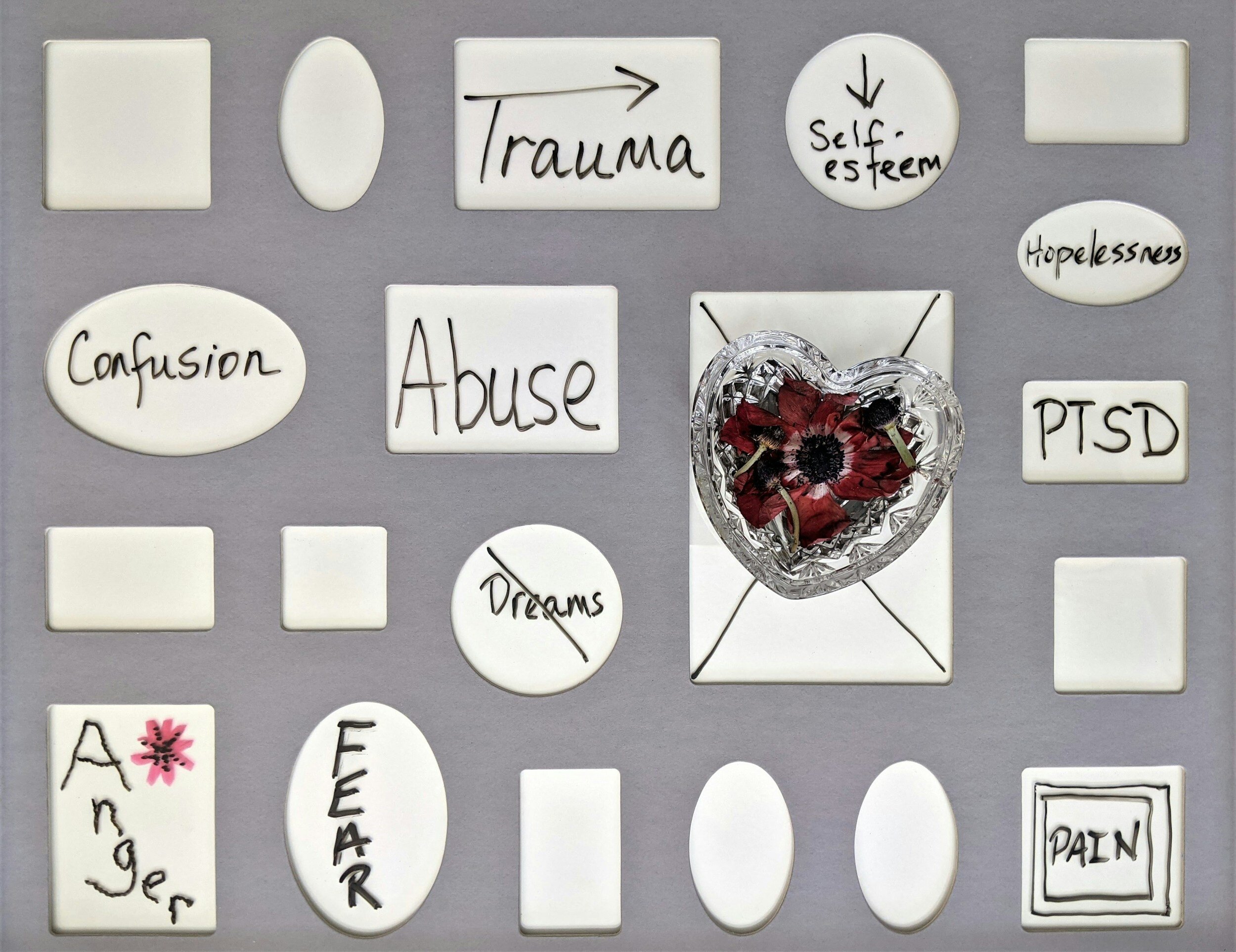
Uncovering the Depths of Trauma
Trauma, a term laden with significance, describes experiences that inflict physical, emotional, or psychological wounds on individuals. It can arise from singular events or prolonged hardships, leaving lasting imprints. Regardless of age or background, recognizing the subtle cues is crucial to extend compassionate support and access resources.
Exploring the Various Aspects of Trauma
Precise recognition of a variety of traumatic experiences is vital. A nuanced understanding is key to comprehending the full spectrum of encounters.
Physical Trauma: Arising from external forces, like accidents or violence, causing bodily harm.
Emotional Trauma: Triggered by emotionally impactful circumstances such as loss, divorce, or abuse.
Psychological Trauma: Unveiling mental health repercussions from overwhelming events.
Complex Trauma: Tied to ongoing situations like warfare or abusive relations, shaping self-perception and relationships.
Unveiling the Telltale Signs
Trauma's manifestations are multifaceted, varying with each individual and trauma type. Common indicators include:
Physical Symptoms: Headaches, fatigue, appetite changes.
Emotional Symptoms: Anxiety, mood swings, irritability.
Behavioral Symptoms: Avoidance, social withdrawal, risky behaviors.
Cognitive Symptoms: Memory issues, intrusive thoughts, concentration difficulties.
Psychological Symptoms: Feelings of guilt, detachment, shame, helplessness.
It's crucial to note that not all trauma survivors exhibit these signs. Resilience levels differ among individuals, with some needing professional assistance while others manage independently.
Navigating Trauma's Terrain
In the wake of trauma, seeking solace from loved ones and experts is pivotal. Consider the following coping strategies:
Validate your feelings and allow yourself to process them.
Embrace self-care through activities fostering joy and relaxation.
Lean on loved ones for support, promoting healing through shared experiences.
Access professional guidance for tailored coping mechanisms.
Educate yourself on trauma and its nuances, empowering self-awareness.
Healing from trauma is a unique path, calling for patience and tailored strategies. Remember, seeking help shows strength, not weakness. With unwavering support and coping tools, overcoming trauma is possible. Your resilience and courage can conquer challenges. If you're struggling with trauma, don't hesitate to seek help. Recovery is possible. Embrace your healing journey as a transformative process guided by self-discovery and self-care.